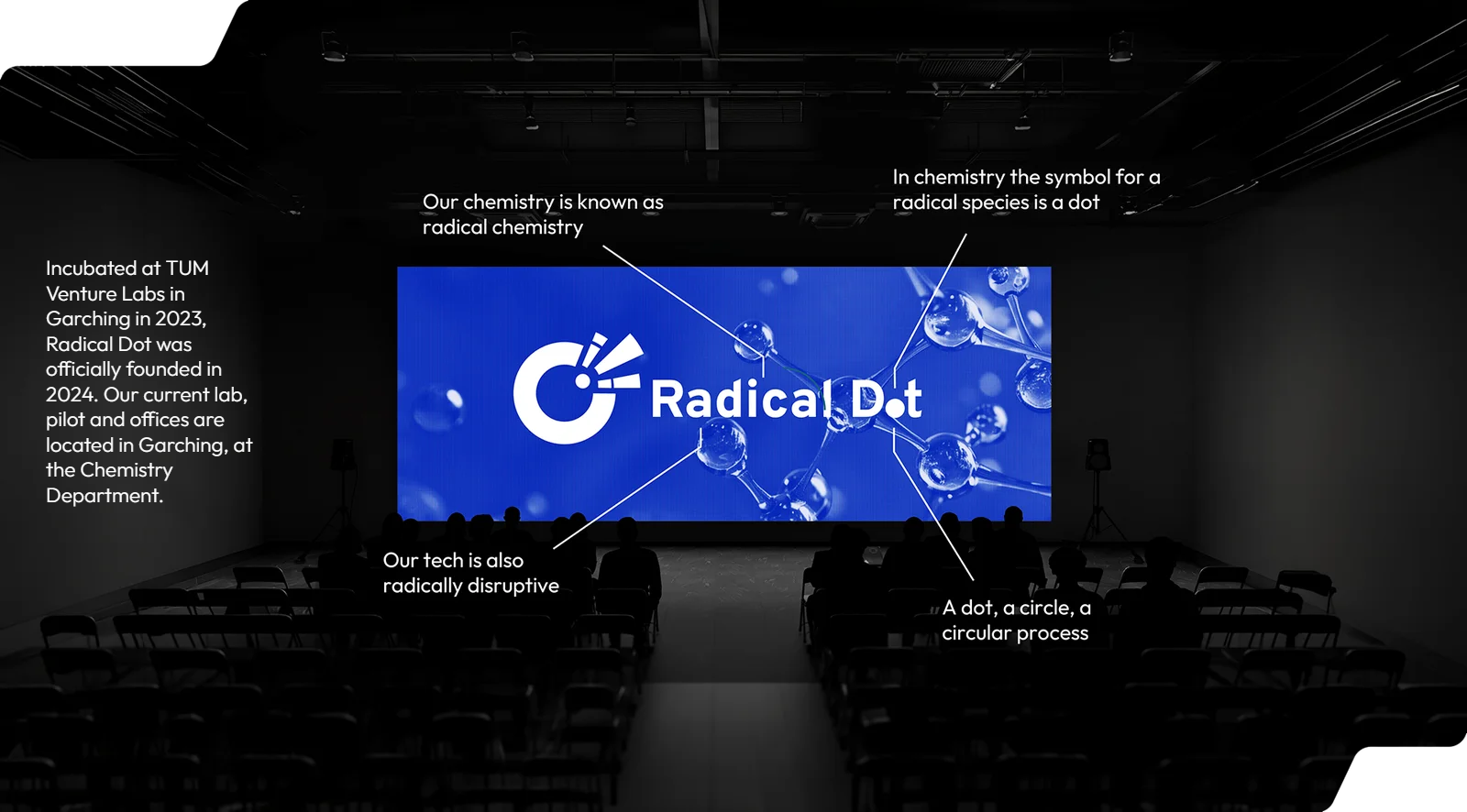



Our vision
A chemical industry Europe owns
Europe invented modern chemistry, from raw materials we do not own.
Oxolysis makes the same molecules from waste that we source locally.
No barrel. No gas. No import. No price we don’t control.
We are building a world where circular is not a choice. It is the default.
Not because regulation forces it, not because customers pay extra for it, but because it is simply the better buy.
Oxolysis™ is how we get there.
The State of Play
High feedstock & energy costs make the current system structurally uncompetitive
STATUS QUO
60-70%
of chemical production costs are tied to fossil resources
Source: Systemiq, Planet Positive Chemicals, 2022
SOURCING DILEMMA
90%
of chemicals are produced from fossil resources: oil, gas and coal
Source: Nova Institute & Renewable Carbon Initiative, Carbon Flows Report, 2023
SUPPLY VULNERABILITY
>90%
of EU oil & gas is imported at a large premium
Source: Eurostat, Energy statistics – an overview, 2024 data
STRUCTURAL DISADVANTAGE
20-60%
higher cost for chemical production in Europe compared to other regions
Source: Radical Dot Analysis, 2026
WHY IT MATTERS
Europe’s next raw material resource is already in our bins
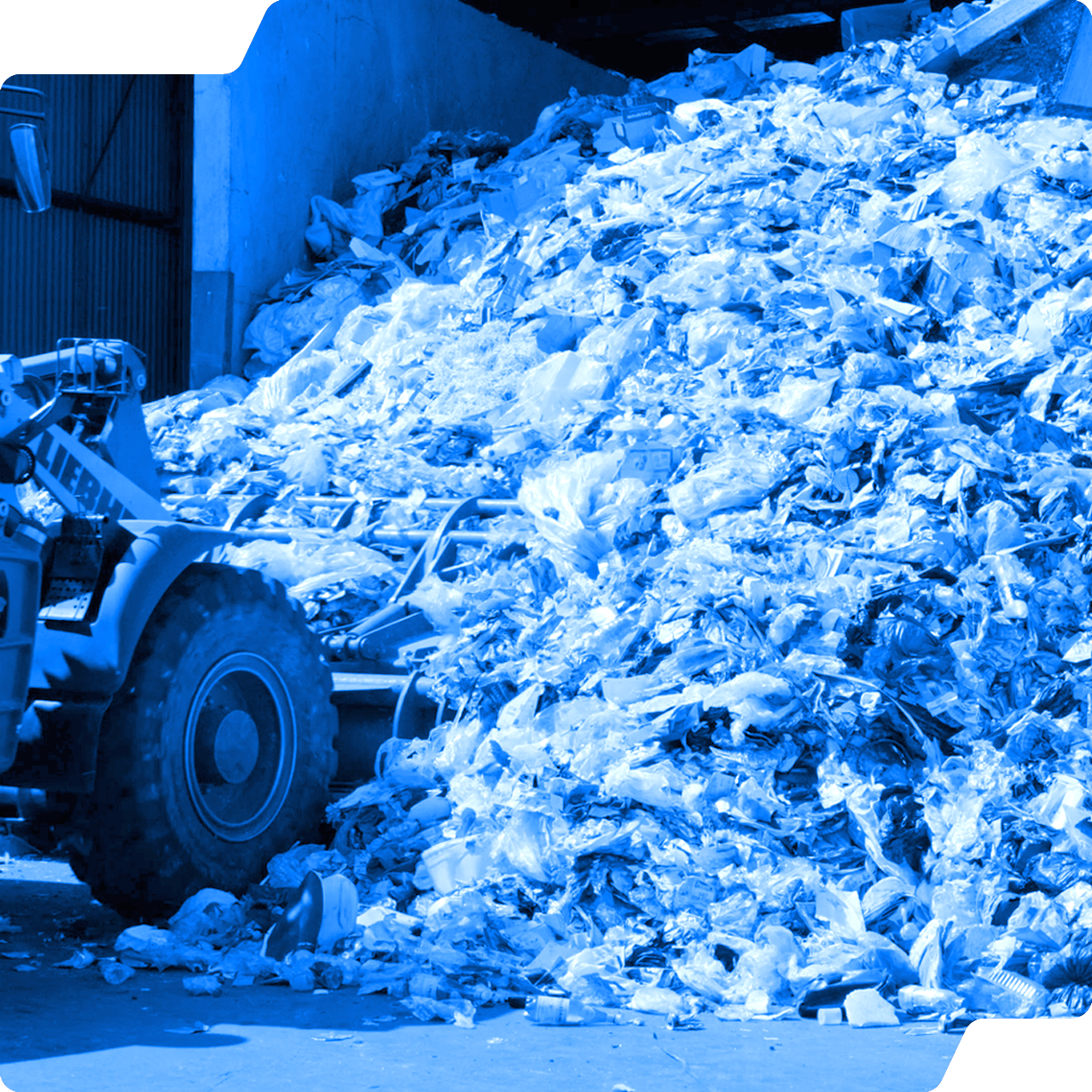
Europe has no oil and no gas it can count on. What it does have is carbon, already above ground and already collected, in the mixed plastic waste that no existing recycling technology can use.
14
Mt
of flexible plastic films placed on the European market every year, of which only 1.9 Mt is recycled
14
%
of European plastic is actually recycled
Mechanical recycling handles almost all of recycled volumes but is limited as it cannot cope with mixed, contaminated streams. Oxolysis™ is built exactly for mixed and contaminated post-consumer waste.
Sources: Plastics Recyclers Europe, Flexible Films Market in Europe – State of Play, 2023 (2020 data); Systemiq, ReShaping Plastics, 2022
Build once. Run cheap. Forever.
A gas plant is cheap to build and expensive to run, at a price someone else sets. Solar and wind are the opposite: costly once, then almost free. Oxolysis™ brings that fundamentally disruptive economics to the chemical industry.
70
%
share of gas for both energy and feedstock in the production cost of acetic acid in Europe
Our Oxolysis™ process produces the heat it needs, so there is no dependency on external energy. The plant is the investment. After that, the cost curve flattens and stays flat, whatever happens in the outside world.
Source: Radical Dot Analysis, 2026
Europe stopped making its own chemicals. That is reversible.
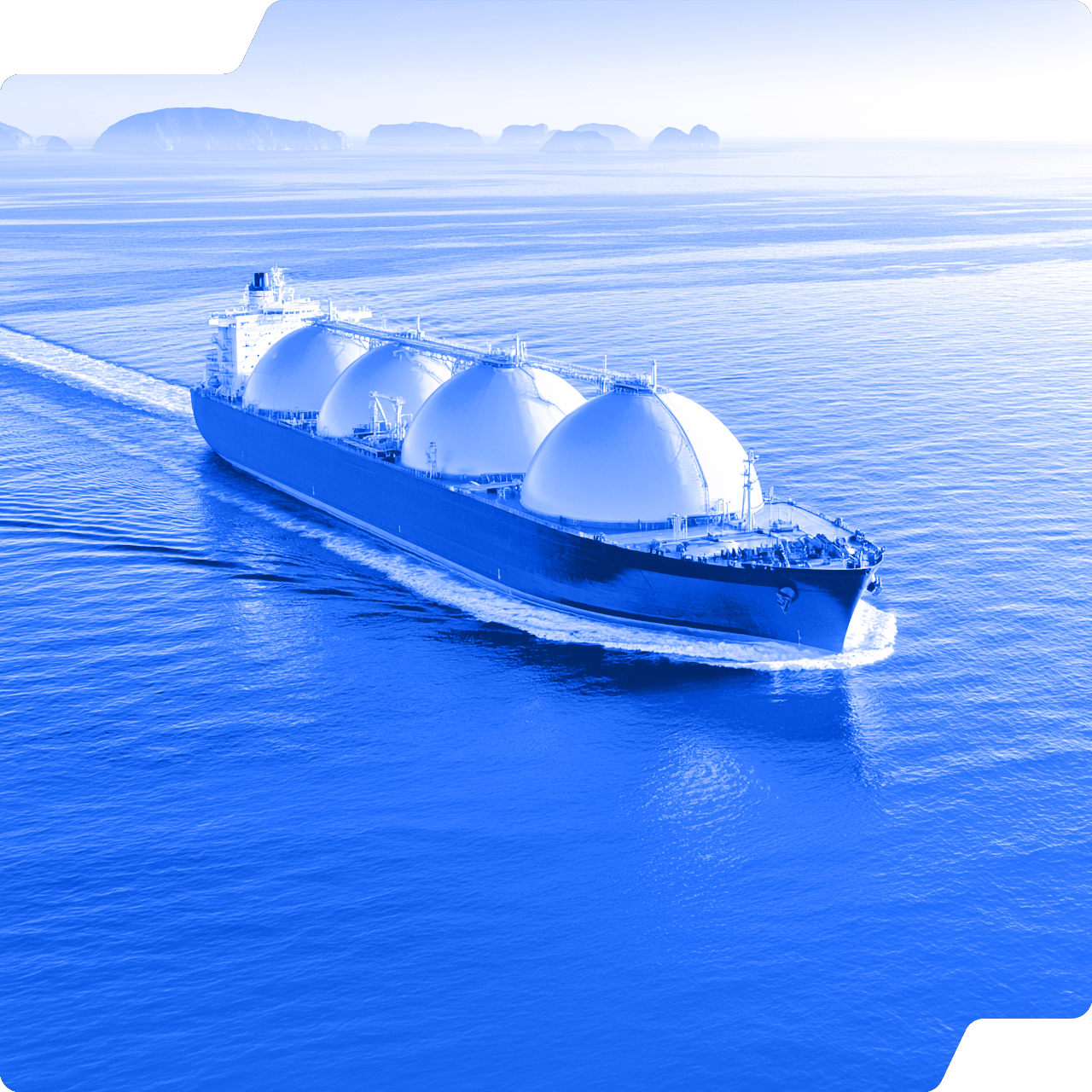
Nine steam crackers have shut. Capacity did not move to a cleaner competitor, it moved to Asia, and the value chains that depended on it followed. When local feedstock becomes unavailable or uncompetitive, entire value chains are at risk.
37
Mt
of European capacity permanently closed since 2022, 9% of the total and 20,000 jobs
86
%
drop in investment over three years, with new projects built in China, not Europe
Acetic acid feeds pharmaceutical molecules and packaging adhesives across Europe. Since Europe’s last world-scale plant closed in 2026, over 90% of it arrives from outside the EU. Reshoring does not happen on subsidy or sentiment. It happens when producing here costs less than shipping it in.
Sources: Cefic / Roland Berger, European Chemical Closures & Investments Radar 2022–2025, 2026; Eurostat, Comext – International trade in goods database (CN 2915 21 00, acetic acid), 2022–2026
The right business case is also the right thing to do
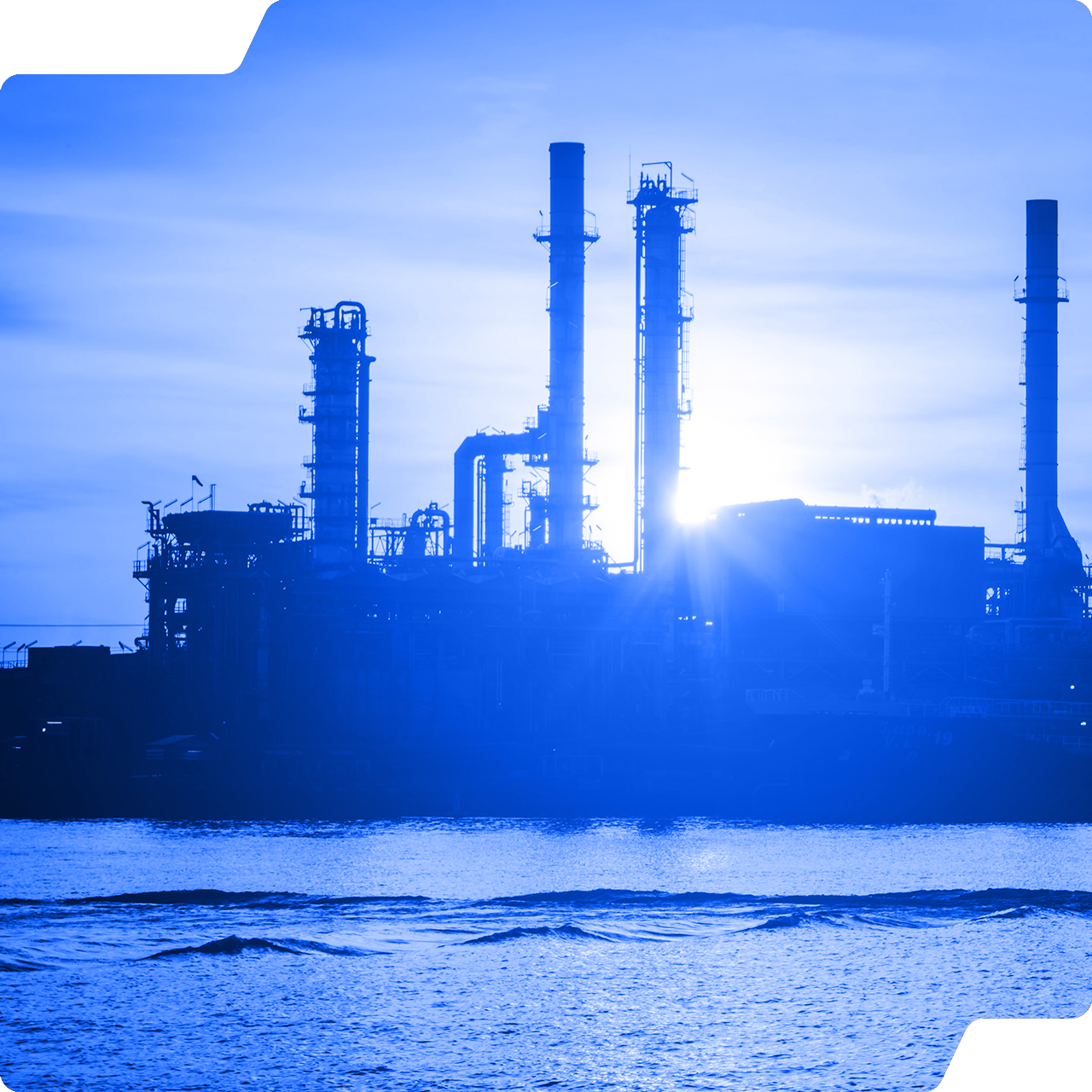
We did not set out to build something virtuous and hope it paid for itself.
We built something that pays for itself, and it happens to be the industry Europe should have had all along.
Circular, low carbon, and locally made, because it is the better business.
That is what makes it durable, and what makes it worth handing on.

WORK WITH US
We partner with industry to drive the defossilisation of chemical production
If you're ready to explore turning hard-to-recycle waste into valuable secondary raw materials get in touch. If you are looking to source chemical feedstocks free of virgin fossil carbon, let's be partners.
Want to learn more or get involved? Get in touch
Partner with us
Get Radical
Get in touch